
A Comprehensive Guide to Understanding Different Types of Alarm Systems
How to Choose the Right System for Your Facility
Technical Takeaway
Learn about the different types of fire alarm systems, the difference between conventional and addressable systems, and how to choose the best fit to protect lives and properties.
مقدمة عن أنظمة إنذار الحريق
تُعد أنظمة إنذار الحريق من الركائز الأساسية في تصميم أي مبنى حديث، حيث تلعب دوراً حاسماً في إنقاذ الأرواح وتقليل الخسائر المادية من خلال الكشف المبكر عن الحرائق وتنبيه الأفراد في الوقت المناسب. يتطلب اختيار النظام المناسب فهماً عميقاً للخيارات المتاحة في السوق وكيفية عمل كل منها.
أنظمة الإنذار التقليدية (Conventional Systems)
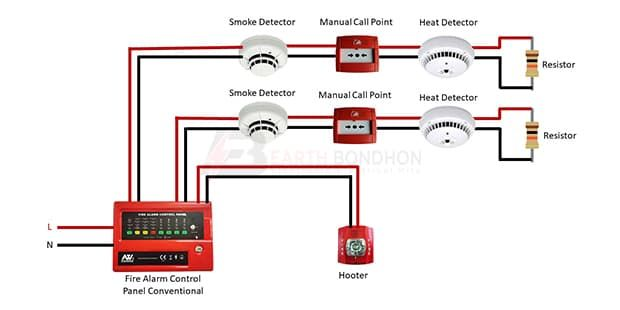
هذه الأنظمة مصممة للمباني الصغيرة والمتوسطة. تعتمد على تقسيم المبنى إلى “مناطق” (Zones)، حيث تضم كل منطقة مجموعة من الكواشف. عند حدوث حريق، تقوم اللوحة الرئيسية بإظهار المنطقة التي صدر منها الإنذار دون تحديد الكاشف الدقيق، مما يجعلها اقتصادية ولكن أقل دقة في التحديد السريع لمكان الحريق بدقة متناهية.
أنظمة الإنذار المعنونة (Addressable Systems)
تمثل هذه الأنظمة التطور التكنولوجي الأهم في هذا المجال، وهي الخيار الأمثل للمنشآت الكبيرة والمستشفيات والمصانع. يعطى كل كاشف في هذا النظام عنواناً (Address) محدداً. عند استشعار الدخان أو الحرارة، تظهر اللوحة الرئيسية الموقع الدقيق للإنذار (مثل: الغرفة رقم 305، الطابق الثالث). يتميز هذا النظام بالدقة العالية، وسرعة الاستجابة، وسهولة تتبع الأعطال.
الأنظمة اللاسلكية (Wireless Systems)
هي البديل المثالي للمباني التاريخية أو الأماكن التي يصعب فيها تمديد الكابلات. تعتمد على تقنية الترددات الراديوية للاتصال بين الكواشف واللوحة الرئيسية. وتتميز بسرعة التركيب وتقليل التكلفة الإنشائية، لكنها تتطلب متابعة دورية لحالة البطاريات للتأكد من استمرارية العمل بكفاءة.
كيف تختار النظام الأنسب؟
يعتمد الاختيار على حجم المنشأة، الميزانية المتاحة، المتطلبات القانونية، وتوصيات الدفاع المدني. من الضروري دائماً الاستعانة بخبراء هندسيين معتمدين لإجراء تقييم شامل للمخاطر وتصميم شبكة إنذار تتوافق مع أعلى المعايير العالمية مثل NFPA.
Introduction to Fire Alarm Systems
Fire alarm systems are a fundamental pillar in the design of any modern building, playing a crucial role in saving lives and minimizing material losses through early fire detection and timely alerting of individuals. Choosing the right system requires a deep understanding of the available options in the market and how each operates.
Conventional Systems
These systems are designed for small to medium-sized buildings. They rely on dividing the building into “Zones”, where each zone includes a group of detectors. In the event of a fire, the main panel displays the zone where the alarm originated without identifying the exact detector, making it cost-effective but less precise in quickly pinpointing the exact location of the fire.
Addressable Systems
These systems represent the most important technological advancement in this field and are the ideal choice for large facilities, hospitals, and factories. Every detector in this system is assigned a specific “Address”. Upon sensing smoke or heat, the main panel displays the exact location of the alarm (e.g., Room 305, Third Floor). This system is characterized by high accuracy, fast response time, and ease of fault tracking.
Wireless Systems
They are the perfect alternative for historic buildings or locations where running cables is difficult. They rely on radio frequency technology for communication between the detectors and the main panel. They feature quick installation and reduced construction costs, but require periodic monitoring of battery status to ensure continuous and efficient operation.
How to Choose the Right System?
The choice depends on the size of the facility, the available budget, legal requirements, and civil defense recommendations. It is always essential to consult with certified engineering experts to conduct a comprehensive risk assessment and design an alarm network that complies with the highest international standards such as NFPA.
Looking for an authorized distributor in North Africa?
Contact us to receive specs and catalogs for the brands we officially represent.
Contact Us