
How to Calculate the Safe Distance Between Hazard Source and Protection Points
Engineering Distribution of Firefighting Equipment
Technical Takeaway
Learn about the importance of engineering distribution for firefighting equipment, and how to calculate safe distances based on NFPA standards.
أهمية التوزيع الهندسي لمعدات مكافحة الحريق
لا يقتصر نجاح خطة مكافحة الحرائق على توفير أحدث المعدات فقط، بل يعتمد بشكل كبير على كيفية توزيع هذه المعدات استراتيجياً داخل المنشأة. فالتوزيع العشوائي قد يؤدي إلى تفاقم الأزمة إذا كانت طفاية الحريق أو نقطة الإنذار بعيدة جداً عن منطقة الخطر المحتملة. إن عملية حساب المسافات الآمنة تعد علماً هندسياً دقيقاً يخضع لمعايير دولية صارمة.
المعايير العالمية (NFPA) لتحديد المسافات
تعتمد الجمعية الوطنية للوقاية من الحرائق (NFPA) على تصنيف نوع الخطر في المنشأة (خفيف، عادي، أو شديد) لتحديد مسافة السفر القصوى للوصول إلى طفاية الحريق. كقاعدة عامة للحرائق من الفئة A، يجب ألا تتجاوز مسافة السير للوصول إلى أقرب طفاية 75 قدماً (حوالي 22.8 متراً).
العوامل المؤثرة في حساب مسافة الأمان
- طبيعة المواد القابلة للاشتعال: المواد الكيميائية السريعة الاشتعال تتطلب وضع معدات الإطفاء على مسافات أقرب بكثير (لا تتجاوز 15 متراً في بعض الحالات).
- طبيعة العوائق الهيكلية: يجب قياس مسافة “السفر الفعلي” مع الأخذ في الاعتبار الجدران والممرات والأبواب، وليس المسافة بخط مستقيم (Air Line).
- حجم ومستوى تدريب الموظفين: في المنشآت الصناعية، يجب أن تكون معدات الحماية الثقيلة قريبة من متناول فرق الاستجابة السريعة المدربة.
توزيع نقاط الإنذار اليدوية (Call Points)
يجب وضع نقاط الإنذار اليدوية بالقرب من مخارج الطوارئ ومسارات الإخلاء، بحيث لا يضطر أي شخص يكتشف الحريق للسير أكثر من 30 متراً للوصول إلى أقرب نقطة إنذار. كما يجب أن تكون واضحة ومضاءة لتسهيل الوصول إليها في حالات الهلع أو انقطاع التيار الكهربائي.
الاستنتاج
عملية حساب المسافة الآمنة وتوزيع نقاط الحماية تتطلب مراجعة هندسية دقيقة للمبنى. ويُنصح دائماً بإجراء تحديثات دورية لهذه المسافات في حال تغيير النشاط أو إعادة تقسيم المساحات الداخلية لضمان استمرارية الامتثال لمتطلبات السلامة.
The Importance of Engineering Distribution for Firefighting Equipment
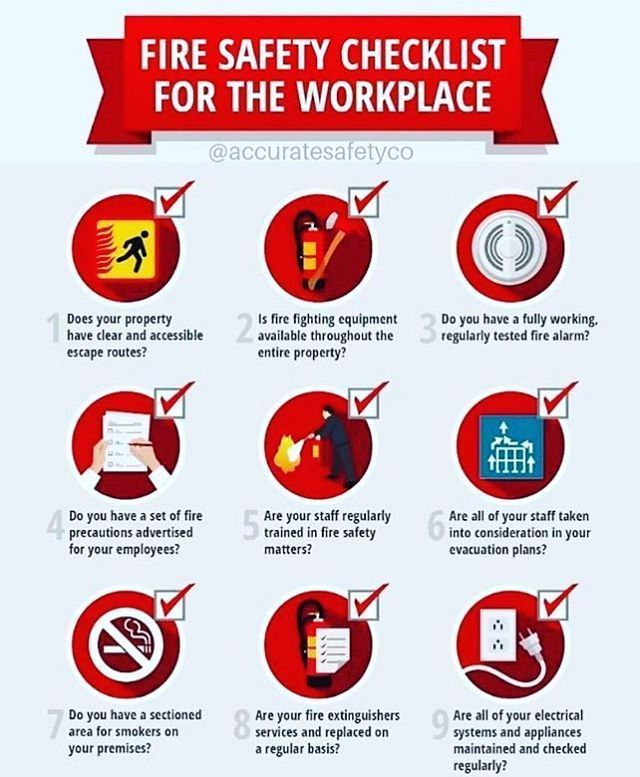
The success of a fire protection plan is not limited to providing the latest equipment alone; it relies heavily on how this equipment is strategically distributed within the facility. Random distribution can exacerbate a crisis if a fire extinguisher or an alarm point is too far from the potential hazard zone. Calculating safe distances is an exact engineering science governed by strict international standards.
Global Standards (NFPA) for Determining Distances
The National Fire Protection Association (NFPA) relies on the hazard classification of the facility (light, ordinary, or extra) to determine the maximum travel distance to reach a fire extinguisher. As a general rule for Class A fires, the travel distance to the nearest extinguisher should not exceed 75 feet (approximately 22.8 meters).
Factors Influencing the Calculation of Safe Distance
- Nature of Flammable Materials: Highly flammable chemicals require placing extinguishing equipment at much closer distances (not exceeding 15 meters in some cases).
- Nature of Structural Obstacles: The “actual travel” distance must be measured, taking walls, corridors, and doors into account, rather than a straight line (Air Line) distance.
- Size and Training Level of Staff: In industrial facilities, heavy protection equipment must be placed within easy reach of trained rapid response teams.
Distribution of Manual Call Points
Manual call points must be located near emergency exits and evacuation routes, ensuring that anyone discovering a fire does not have to travel more than 30 meters to reach the nearest point. They must also be visible and illuminated for easy access during panic situations or power outages.
Conclusion
The process of calculating safe distances and distributing protection points requires a meticulous engineering review of the building. It is always recommended to periodically update these distances whenever business activities change or internal spaces are repartitioned, ensuring continuous compliance with safety requirements.
Looking for an authorized distributor in North Africa?
Contact us to receive specs and catalogs for the brands we officially represent.
Contact Us